








Introduction
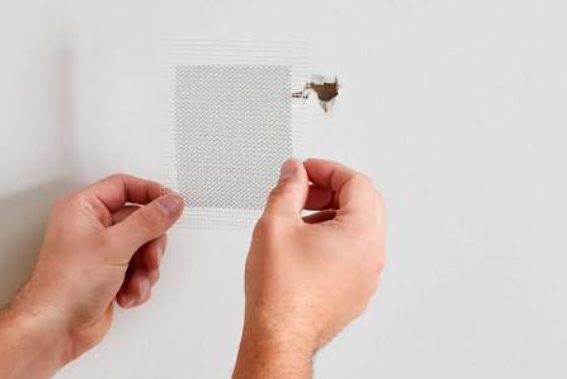
Walls play a major role in the appearance and comfort of any home. However, everyday life can leave behind dents, cracks, nail holes, and other imperfections that make rooms look worn out. This is where drywall repair becomes important. Whether the damage is minor or more noticeable, timely drywall repairs helps maintain a clean, attractive, and structurally sound living space.
Many homeowners ignore small wall problems, assuming they are purely cosmetic. In reality, damaged drywall can worsen over time if left untreated. Understanding the basics of drywall repair can help you preserve your home’s value while creating a more polished interior.
Common Causes of Drywall Damage
Drywall is durable, but it is not immune to damage. Several factors can affect its condition.
Everyday Wear and Tear
Furniture bumps, accidental impacts, and repeated use often leave marks and dents on walls. Over time, these small issues accumulate and make rooms appear neglected.
Moisture Problems
Leaks and humidity can weaken drywall and cause stains, bubbling, or soft spots. In such cases, drywall repair is often necessary after the source of moisture has been addressed.
Structural Movement
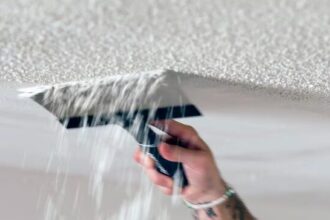


Homes naturally settle over time. As a result, small cracks may appear near doors, windows, and ceilings. Professional drywall repair can restore a smooth finish and prevent further deterioration.
Benefits of Professional Drywall Repair
While some minor fixes may seem simple, quality results often require skill and experience.
Improved Appearance
One of the biggest advantages of drywall repair is a cleaner and more attractive interior. Smooth walls create a polished look that enhances any room.
Increased Property Value
Well-maintained walls contribute to a positive impression. If you plan to sell your home, proper drywall repair can help improve buyer confidence.
Long-Term Durability
Professional techniques ensure that repaired areas blend seamlessly with the surrounding surface and remain durable for years.
The Drywall Repair Process
The exact process depends on the extent of the damage, but most projects follow a similar approach.
First, the damaged area is inspected to determine the best repair method. Loose material is removed, and the surface is prepared for treatment.
Next, cracks, holes, or dents are filled using appropriate materials. After drying, the area is sanded to create a smooth finish.
Finally, primer and paint are applied to match the surrounding wall. Proper drywall repair should leave little to no visible evidence of previous damage.
Preventing Future Wall Damage
Although some damage is unavoidable, a few simple steps can reduce the need for frequent drywall repair.
- Use furniture pads to prevent wall impacts.
- Address plumbing leaks quickly.
- Maintain proper indoor humidity levels.
- Avoid hanging heavy items without suitable support.
- Inspect walls regularly for early signs of damage.
Taking preventive measures can save time and reduce repair costs over the long term.
Conclusion
Maintaining healthy walls is essential for both appearance and functionality. From small nail holes to larger cracks, drywall repair helps restore smooth surfaces and protect your home from further issues. By addressing damage promptly and using proper repair methods, homeowners can enjoy cleaner, stronger, and more attractive interiors for years to come. Investing in quality drywall repair is a practical step toward preserving the comfort and value of any property.