








Introduction
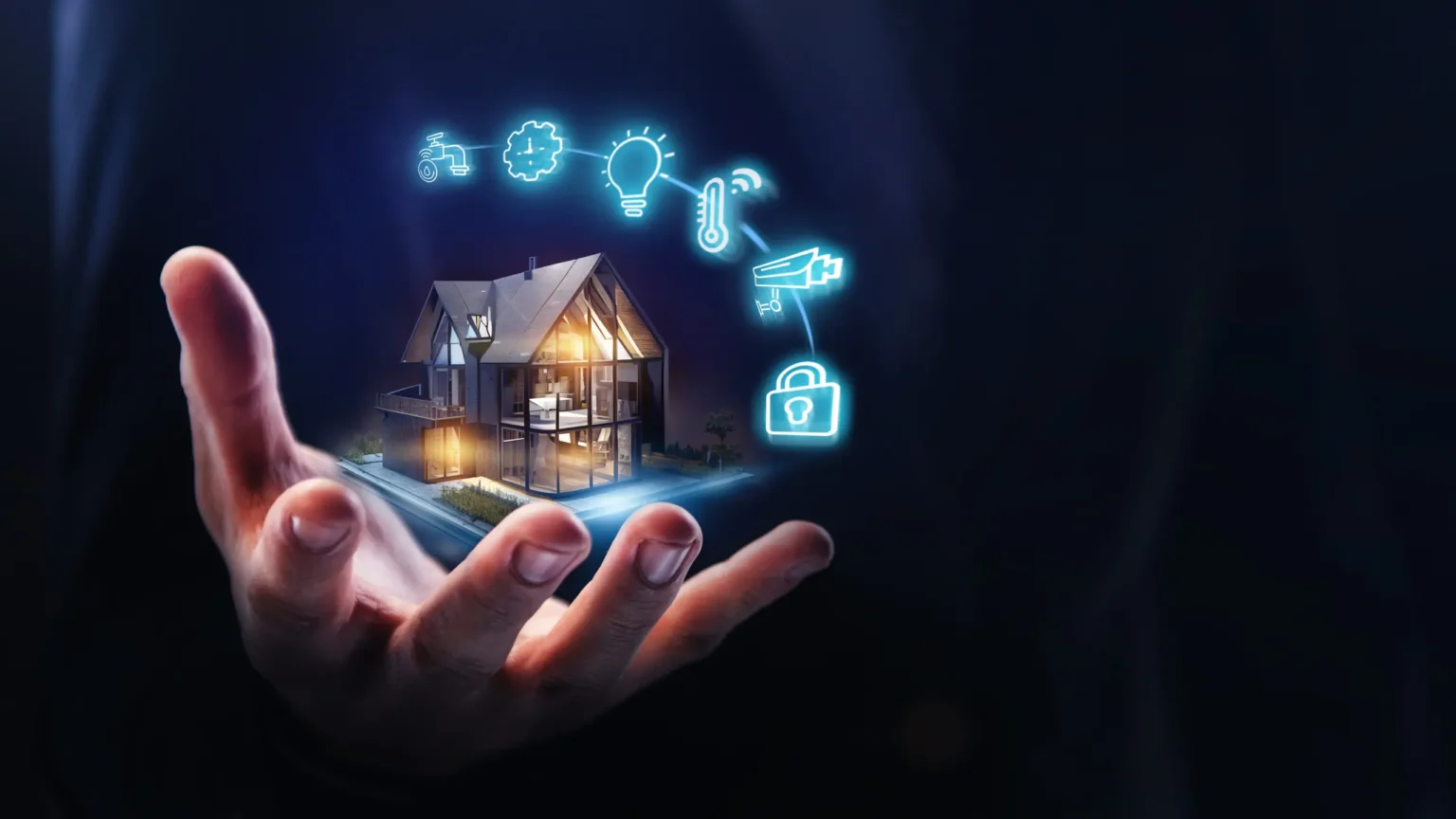
Smart home technology is becoming an important part of modern living. Many people now use smart devices to make their homes safer, more comfortable, and more energy-efficient. From smart lights and security cameras to voice assistants and smart thermostats, technology is changing the way people manage their daily activities at home. As innovation continues to grow, smart homes are expected to become even more advanced in the future.
The future of smart home technology will focus on convenience, automation, security, and energy savings. New devices are becoming more intelligent and can work together smoothly to improve daily life. With the help of artificial intelligence and the Internet of Things (IoT), homes are slowly turning into fully connected environments where devices communicate automatically. This development is creating exciting possibilities for homeowners around the world.
What Is Smart Home Technology?
Smart home technology refers to devices and systems connected through the internet that allow homeowners to control different functions of their homes remotely or automatically. These devices are usually managed through smartphones, tablets, or voice assistants.
Common examples of smart home devices include:
- Smart lights
- Smart door locks
- Smart thermostats
- Voice-controlled assistants
- Smart security cameras
- Smart TVs
- Smart kitchen appliances
These technologies help improve comfort, save time, and reduce energy use.
The Growing Popularity of Smart Homes
Smart homes are becoming more popular because people want greater convenience and better control over their living spaces. Modern consumers prefer technology that saves time and makes daily tasks easier. As internet access and wireless networks improve, more households can now use smart devices without difficulty.
Many companies are also producing affordable smart home products, making the technology available to a larger number of people. In the future, smart homes may become a standard feature in newly built houses.
Artificial Intelligence in Smart Homes
Artificial intelligence (AI) is expected to play a major role in the future of smart home technology. AI allows devices to learn user habits and make automatic decisions based on behavior patterns.



For example, a smart thermostat may learn when a family usually wakes up or sleeps and automatically adjust the temperature. Smart lighting systems can turn lights on or off depending on room activity. Voice assistants may become more advanced and understand human conversations more naturally.
AI-powered systems will help homes become more personalized and efficient over time.
Improved Home Security Systems
One of the most important benefits of smart home technology is improved security. Future smart homes are expected to offer even stronger protection against theft and emergencies.
Advanced security features may include:
| Smart Security Feature | Purpose |
|---|---|
| Facial Recognition Cameras | Identify family members and visitors |
| Smart Door Locks | Allow remote locking and unlocking |
| Motion Sensors | Detect unusual movement |
| Smart Smoke Detectors | Send alerts during emergencies |
| Real-Time Mobile Alerts | Inform homeowners instantly |
These systems will help homeowners monitor their property from anywhere in the world using mobile devices.
Energy Efficiency and Smart Homes
Energy efficiency is another major focus of future smart home technology. Smart devices help reduce electricity and water usage by operating only when needed.
Examples of energy-saving technologies include:
- Smart thermostats that adjust room temperature automatically
- Smart lights that turn off when rooms are empty
- Smart irrigation systems that reduce water waste
- Energy-monitoring systems that track electricity use
These technologies can lower utility bills and support environmental sustainability.
Voice-Controlled Technology
Voice-controlled devices are becoming more common in smart homes. Virtual assistants can perform tasks such as playing music, setting reminders, controlling lights, and answering questions.
In the future, voice assistants may become more intelligent and capable of handling complex commands. Users may control almost every part of their homes simply by speaking.
Popular uses of voice-controlled technology include:
- Managing home appliances
- Controlling entertainment systems
- Operating smart security devices
- Scheduling daily activities
- Getting weather and traffic updates
Voice control makes smart homes easier and more convenient for users of all ages.
Smart Kitchens and Home Appliances
Kitchen technology is also improving rapidly. Future smart kitchens may include appliances that can automatically prepare food, monitor groceries, and suggest healthy meal options.
Examples of smart kitchen technology include:
- Refrigerators that track food expiration dates
- Smart ovens controlled through mobile apps
- Coffee makers with automatic schedules
- Dishwashers that optimize water usage
These appliances help save time and improve household efficiency.
The Role of the Internet of Things (IoT)
The Internet of Things (IoT) is the system that connects smart devices together. IoT allows devices to communicate and share information through the internet.
For example, a smart home system may automatically lock doors, turn off lights, and adjust the thermostat when the homeowner leaves the house. This level of automation creates a more connected and efficient living environment.
As IoT technology continues to improve, smart homes will become faster, safer, and more reliable.
Challenges of Smart Home Technology
Although smart home technology offers many benefits, there are also some challenges that need attention.
Privacy Concerns
Connected devices collect large amounts of personal information. Some people worry about how companies store and use this data.
Cybersecurity Risks
Hackers may target smart home systems if security protections are weak. Strong passwords and software updates are important for safety.
High Initial Costs
Some smart home devices can still be expensive for many families, especially advanced systems.
Internet Dependence
Most smart devices rely on internet connections. If the internet stops working, some systems may not function properly.
Despite these challenges, technology companies continue to improve security and affordability.
Future Trends in Smart Home Technology
The future of smart home technology is expected to bring many exciting innovations.
Fully Automated Homes
Homes may automatically handle lighting, temperature, security, and entertainment without human input.
Better Device Integration
Different brands and devices will likely work together more smoothly.
Smart Health Monitoring
Future homes may include health-monitoring systems that track heart rate, sleep patterns, and medical conditions.
Eco-Friendly Technology
More smart devices will focus on reducing energy waste and supporting green living.
Advanced Robotics
Home robots may assist with cleaning, cooking, and household tasks.
These developments could completely change the way people live in the coming years.
Benefits of Smart Home Technology
Smart homes provide several advantages for homeowners.
| Benefit | Explanation |
|---|---|
| Convenience | Easier control of household devices |
| Energy Savings | Reduced electricity and water usage |
| Better Security | Improved home monitoring systems |
| Comfort | Personalized living environments |
| Time Saving | Automation of daily tasks |
As technology advances, these benefits are expected to increase even more.
Conclusion
The future of smart home technology looks highly promising. Smart devices are becoming more intelligent, connected, and affordable for everyday users. Technologies such as artificial intelligence, IoT, voice control, and automation are transforming homes into efficient and comfortable living spaces. Although there are still concerns about privacy, security, and costs, continuous innovation is helping solve these issues.
In the coming years, smart homes may become a normal part of daily life for millions of people worldwide. From improved security and energy savings to advanced automation and health monitoring, smart home technology will continue shaping the future of modern living.