








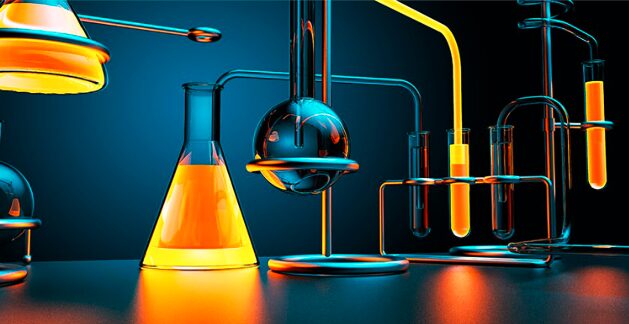
Laboratories serve as centers for discovery, testing, and analysis. To perform these functions effectively, they depend on dependable laboratory equipment designed to deliver precision and consistency. From educational institutions to advanced research facilities, quality laboratory equipment supports a wide range of scientific activities.
Understanding the Importance of Laboratory Equipment
Accurate results are the foundation of successful laboratory work. Reliable laboratory equipment helps professionals conduct experiments, measure variables, and analyze samples with confidence.
Without appropriate laboratory equipment, laboratories may face challenges related to accuracy, efficiency, and safety. Therefore, investing in suitable tools is essential for achieving operational goals.
Benefits of Modern Laboratory Equipment
Consistent Results
One of the primary advantages of quality laboratory equipment is the ability to generate reliable and repeatable outcomes.
Increased Productivity
Advanced laboratory equipment helps streamline procedures, allowing laboratory teams to complete tasks more efficiently.
Improved Safety


Well-designed laboratory equipment supports safe handling practices and helps reduce workplace hazards.
Choosing the Right Laboratory Equipment
Selecting appropriate laboratory equipment requires a strategic approach.
Evaluate Laboratory Needs
Understanding workflow requirements helps identify the most suitable laboratory equipment for specific applications.
Focus on Quality
Durable and dependable laboratory equipment offers long-term value and minimizes operational disruptions.
Consider Future Growth
Scalable laboratory equipment can support expanding laboratory operations and evolving research needs.
Applications of Laboratory Equipment
Research Laboratories
Researchers use laboratory equipment to conduct experiments, collect data, and validate scientific theories.
Educational Institutions
Students gain practical experience through hands-on learning with laboratory equipment in academic environments.
Industrial Testing
Quality control processes often rely on specialized laboratory equipment to ensure consistency and compliance.
Maintaining Laboratory Equipment
Proper maintenance ensures that laboratory equipment continues to operate efficiently.
Regular Cleaning
Routine cleaning prevents contamination and helps preserve equipment performance.
Performance Checks
Periodic inspections help detect issues before they impact operations.
Calibration Practices
Calibrating laboratory equipment supports accurate measurements and dependable results.
Future Developments in Laboratory Equipment
The laboratory industry continues to embrace innovation. Emerging technologies are enhancing laboratory equipment with digital capabilities, automation features, and improved data management systems.
These advancements enable laboratories to increase productivity while maintaining high standards of accuracy and reliability.
Conclusion
Quality laboratory equipment is a critical investment for laboratories seeking precision, efficiency, and safety. By choosing suitable tools and maintaining them properly, organizations can create productive laboratory environments that support research, testing, and innovation for years to come.