








Introduction
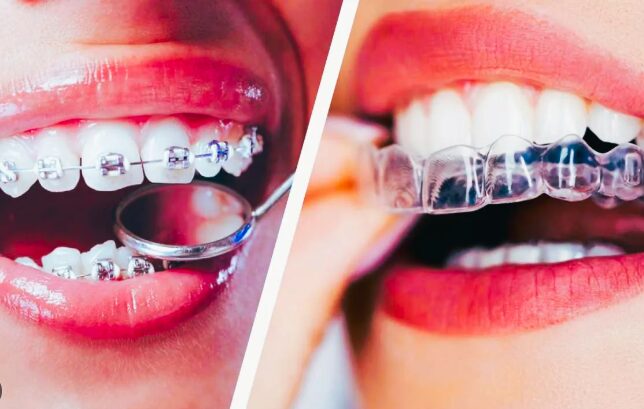
Many people exploring orthodontic treatment ask the same question: is invisalign faster than braces? The answer depends on several factors, including the complexity of the dental issue, patient compliance, and treatment goals.
Both methods are designed to straighten teeth, but the timeline can vary from person to person.
How Orthodontic Treatment Works
Orthodontic treatment gradually moves teeth into better positions using controlled pressure. Whether using clear aligners or traditional braces, the biological process remains similar.
However, the method used to apply pressure can influence treatment efficiency.
Is Invisalign Faster Than Braces for Mild Cases?
For minor alignment issues, is invisalign faster than braces is often answered with a qualified yes.
Targeted Tooth Movement
Clear aligners are designed to move teeth in a planned sequence. In straightforward cases, this can result in efficient progress.
Fewer Adjustments
Patients typically switch to new aligners at scheduled intervals, which may reduce the need for frequent adjustments.
When Braces May Be Faster
Although many people ask, is invisalign faster than braces, braces can sometimes offer advantages.



Severe Misalignment
Complex bite issues and significant tooth movement may respond more effectively to braces.
Continuous Force
Because braces remain attached to the teeth, treatment continues around the clock without relying on patient compliance.
The Importance of Consistency
One of the biggest factors affecting treatment speed is patient commitment.
Wearing Aligners Correctly
Clear aligners must be worn for the recommended amount of time each day. Skipping wear time can delay results.
Following Instructions
Maintaining appointments and following care recommendations helps keep treatment on track.
Factors That Influence Treatment Time
Several variables affect whether is invisalign faster than braces applies to a specific individual.
- Severity of alignment issues
- Age and oral health
- Patient cooperation
- Treatment objectives
- Biological response to tooth movement
Every smile responds differently.
Choosing the Right Option
Speed is important, but it should not be the only consideration.
Comfort, appearance, lifestyle preferences, and treatment complexity all contribute to selecting the most suitable approach.
Patients who prioritize discretion may prefer aligners, while others may benefit from the versatility of braces.
Conclusion
So, is invisalign faster than braces? In some mild to moderate cases, clear aligners may achieve results efficiently. However, braces can remain the better option for more complex corrections.
The best choice depends on individual needs, treatment goals, and commitment to the process. A personalized evaluation is the most reliable way to determine the expected timeline and achieve a healthier, straighter smile.