








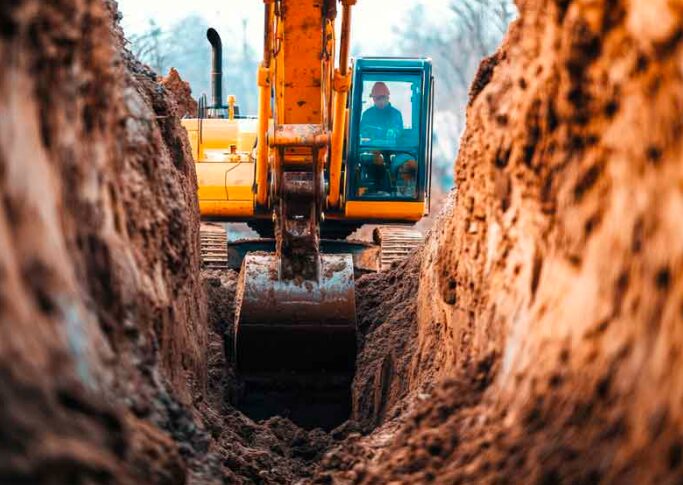
Understanding the Role of Trenches
Across construction sites, agricultural properties, and land improvement projects, professionals regularly dig trenches to support critical underground systems. The decision to dig trenches is often driven by the need for organization, efficiency, and protection of essential infrastructure.
From managing water flow to housing utility lines, trenches serve multiple purposes that directly influence project success.
How Trenching Supports Modern Projects
Water Management Solutions
One of the primary reasons to dig trench is to control water movement. Properly designed channels reduce standing water and help protect surrounding structures.
Utility Installation
Many underground systems require protected pathways. When teams dig trenches, they create dedicated spaces for cables, pipes, and communication networks.
Agricultural Benefits
Farmers frequently dig trenches to improve irrigation performance and manage runoff across large areas of land.
Key Stages of a Successful Trenching Project
Site Evaluation
Before excavation begins, the site should be thoroughly reviewed. Soil composition, elevation changes, and environmental conditions can influence the final design.
Route Design
Careful route planning helps workers dig trenches efficiently while minimizing disturbance to surrounding land.
Excavation
Once planning is complete, excavation can begin. Consistent measurements improve functionality and simplify future maintenance.



Factors That Affect Trench Performance
Soil Characteristics
Different soils behave differently under pressure and weather exposure. Understanding these conditions improves trench stability.
Drainage Requirements
Projects involving water management often require specific gradients to ensure proper flow.
Project Objectives
The purpose of the trench determines dimensions, depth, and construction methods.
Common Mistakes to Avoid
Ignoring Soil Conditions
Failure to evaluate soil properly can result in instability and additional work.
Inadequate Planning
Projects that rush to dig trenches without clear objectives often face delays and inefficiencies.
Poor Maintenance
Even a well-built trench can lose effectiveness if it is not inspected periodically.
Safety and Operational Efficiency
Maintain Clear Access
Workers should have safe entry and exit points throughout the excavation process.
Conduct Regular Inspections
Frequent evaluations help identify concerns before they become significant issues.
Train Personnel
Proper training improves safety and increases operational efficiency.
Environmental Considerations
Responsible excavation practices help reduce erosion and preserve surrounding land quality. Sustainable approaches also support long-term project success.
Organizations that dig trenches thoughtfully can minimize environmental disruption while achieving practical objectives.
Conclusion
Projects that dig trenches effectively benefit from improved infrastructure, better drainage, and organized underground systems. Success depends on planning, site evaluation, safety awareness, and ongoing maintenance. By following proven trenching practices, project teams can achieve reliable results while protecting both workers and the surrounding environment.