








The conversation started because somebody couldn’t decide where to order lunch. Not a major problem. Three people were sitting in a shared office space in Melbourne’s inner suburbs, scrolling through their phones instead of working. One was convinced they wanted burgers. Another was arguing for sandwiches. The third seemed determined to reject every suggestion that appeared. A few minutes passed.
Then somebody landed on a website and immediately said, “Not this one.” No explanation. No detailed review. Just… not this one. The others laughed. “What was wrong with it?” The answer took longer. “I don’t know.” Which sounds strange. But everyone understood exactly what he meant.
The website felt confusing. Or old. Or difficult. Maybe all three. Nobody could quite explain it. Funny thing is, people make decisions like that all day long. A café. A tradie. A dentist. A retailer. A customer lands on a website and forms an opinion before they’ve read very much at all.
The conversation drifted after that. Somebody finally ordered lunch. Somebody else got distracted by a discussion about football scores. Still, that comment stayed in the air. “I don’t know.” Because sometimes customers don’t know why they leave a website. They just do.
And maybe that’s why conversations about web design in Melbourne have become increasingly tied to customer behaviour rather than simply appearance.
The Conversation Usually Starts Somewhere Else
Most business owners don’t sit down and decide to learn about psychology. They’re busy enough already. Invoices. Staff. Customers. The endless list of things that seem urgent on any given day. Yet many eventually find themselves asking questions that are surprisingly similar.
Why are people leaving the website? Why aren’t more visitors making enquiries? Why does one page perform better than another? That’s where discussions about web design in Melbourne often begin. Not with design. With behaviour. A local business owner once described it perfectly.
“We know people are finding us,” he said. “We’re just not sure what happens after.” That’s the interesting part. Customers arrive carrying assumptions, expectations and little habits they barely notice themselves.



They don’t analyse every decision. Most of the time they’re simply reacting. A website feels trustworthy. Or it doesn’t. Information feels easy to find. Or it doesn’t. The business feels professional. Or it doesn’t.
Good web design in Melbourne often works because it understands those reactions before customers consciously recognise them.
The Things People Feel Before They Think
A few months ago, a friend was looking for a local electrician. Within ten minutes he’d visited half a dozen websites. The strange thing? He couldn’t remember most of them. One stood out though. Not because it was dramatic. Actually, it was fairly simple.
The contact details were obvious. The information was clear. The photos felt genuine. It felt comfortable. Which sounds like an odd word to use about a website. Still. That’s the word he used. Comfortable.
That’s one reason web design in Melbourne has become such a frequent topic among businesses trying to improve customer engagement.
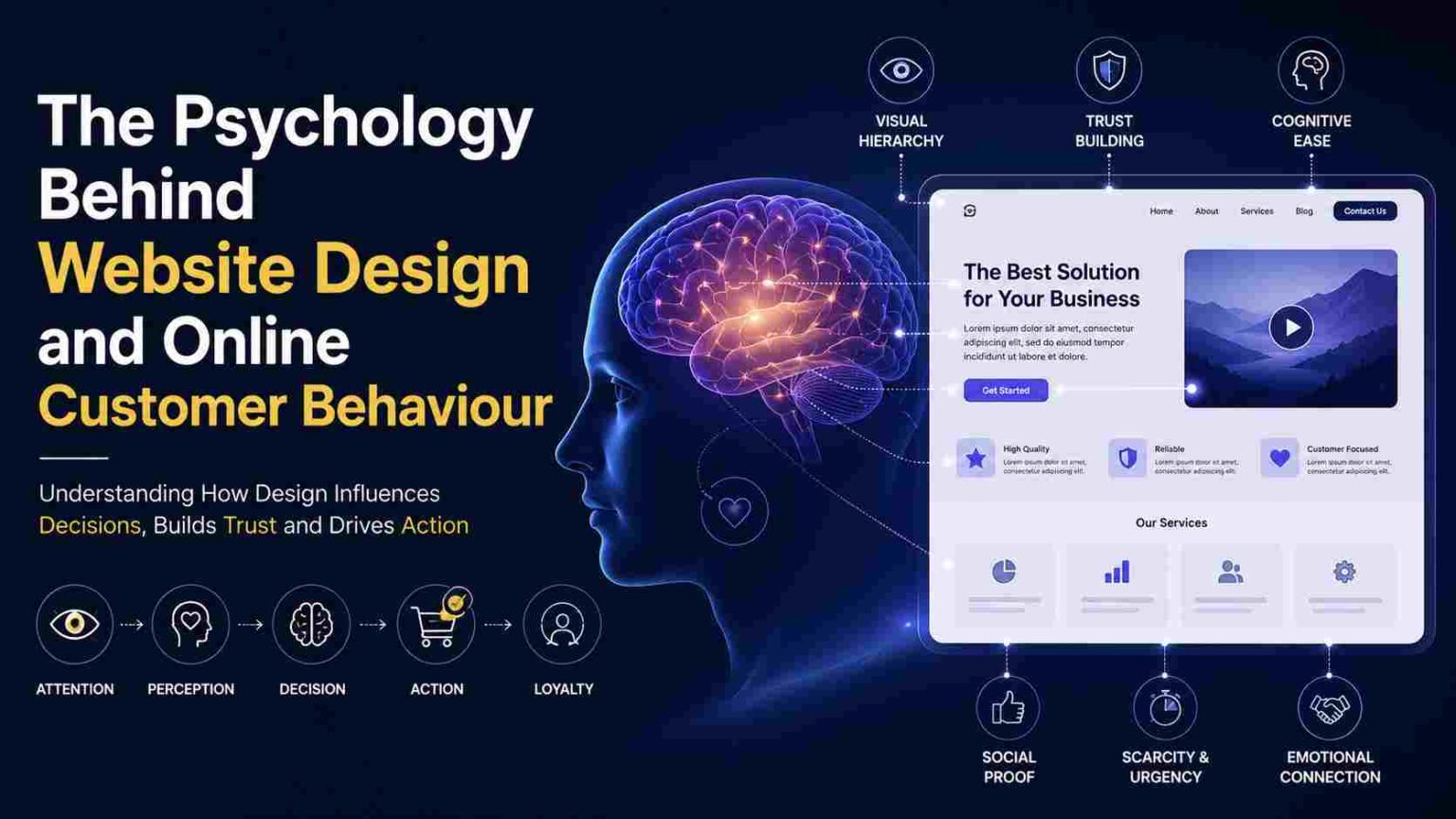
People often think they’re making logical decisions online. Sometimes they are. Sometimes they’re responding to something much quicker. A feeling. An impression. A sense that they’ve landed in the right place.
The psychology behind customer behaviour often lives inside these small moments. A cluttered page creates hesitation. A confusing menu creates hesitation. Missing information creates hesitation.
Customers rarely stop and identify those feelings. They simply leave. Good web design in Melbourne reduces those moments of uncertainty before they have a chance to grow.
Somewhere Between Curiosity and Trust
One of the business owners in that shared office eventually opened his own website. The lunch debate had ended. The workday had resumed. Sort of. Yet the conversation about websites kept going. People started pointing at things. A button nobody had noticed before.
A service page hidden too deeply inside a menu. Information that seemed obvious to the business but maybe not to customers. That’s probably not the point. Or maybe it is. Because businesses know their websites too well.
Customers arrive with fresh eyes. That’s why web design in Melbourne increasingly focuses on how people behave rather than how businesses organise information. Customers aren’t following a script. They’re busy. They’re distracted.
They’re checking websites between meetings, school pickups and train rides home. Their decisions happen quickly. Sometimes very quickly. The businesses connecting most effectively with customers often understand that reality.
Not by manipulating people. By making things easier. Easier to understand. Easier to trust. Easier to act on. That’s where web design in Melbourne quietly influences behaviour every day.
The Lunch Order Finally Arrived
By the time the food showed up, the conversation had largely moved on. Work deadlines came up. Weekend plans. A discussion about whether Melbourne weather forecasts are ever actually correct. The usual things. Still, somebody opened that restaurant website again.
Just out of curiosity. Nobody was talking about lunch anymore. Yet there it was. The website they’d chosen. The website they’d trusted. The website that somehow felt right without anybody fully explaining why.
Which is probably where discussions about web design in Melbourne often end up. Not with technical explanations. Not with design trends. With people. The strange little decisions people make every day. The impressions they form. The assumptions they carry. The feelings they trust.
Strong web design in Melbourne doesn’t simply present information. It helps businesses communicate confidence before a conversation ever begins.
That’s why web design in Melbourne from Make My Website keeps appearing in conversations about customer behaviour, growth and engagement.
Outside, traffic moved slowly through the intersection. Somebody collected a takeaway coffee. A tram rattled past the office windows. The lunch containers were empty by then. One person glanced at the restaurant website one last time before closing the tab.
Then he laughed. “I still can’t explain why I liked that one better.” Nobody answered. Maybe nobody could. The conversation drifted somewhere else entirely.