








Introduction
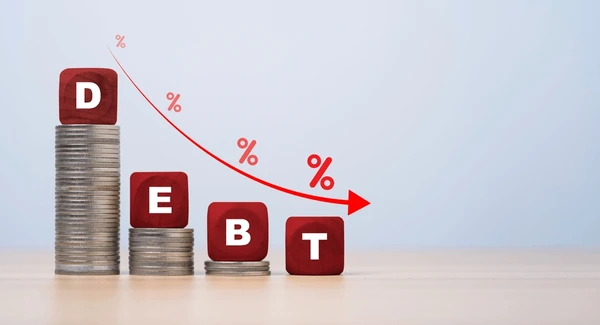
Personal debt is a common financial challenge that affects millions of people around the world. Many individuals borrow money to pay for education, homes, vehicles, medical expenses, or daily living costs. While borrowing can sometimes be necessary, unmanaged debt can create financial stress and make it difficult to achieve long-term financial goals.
Reducing personal debt successfully requires careful planning, discipline, and smart financial habits. By understanding spending patterns, creating a budget, and making consistent payments, individuals can gradually improve their financial situation. Learning how to manage debt properly can help reduce stress, improve financial stability, and create a stronger future.
Understanding Personal Debt
Personal debt refers to money borrowed by an individual that must be repaid over time, usually with interest. Different types of debt can affect financial health in different ways.
Common types of personal debt include:
- Credit card debt
- Student loans
- Car loans
- Home mortgages
- Medical bills
- Personal loans
Some debt may help people achieve important goals, but excessive debt can become difficult to manage.
Why Reducing Debt Is Important
High levels of debt can negatively affect both financial and personal well-being. Interest charges, late fees, and missed payments can quickly increase financial pressure.
Reducing personal debt can provide several benefits:
| Benefit | Explanation |
|---|---|
| Lower Financial Stress | Reduces money-related anxiety |
| Improved Credit Score | Helps build better financial reputation |
| Increased Savings Opportunities | Frees money for future goals |
| Better Financial Freedom | Provides greater control over finances |
| Improved Quality of Life | Reduces financial burdens |
Managing debt responsibly supports long-term financial stability.


Creating a Realistic Budget
A budget is one of the most important tools for reducing debt successfully. Budgeting helps individuals understand where money is being spent and identify areas where expenses can be reduced.
A simple budget should include:
- Monthly income
- Fixed expenses
- Debt payments
- Savings goals
- Entertainment and optional spending
Tracking spending habits helps people avoid unnecessary purchases and focus more on debt repayment.
Understanding Spending Habits
Many people accumulate debt because of uncontrolled spending habits. Identifying spending patterns is an important step toward improving financial management.
Common spending problems may include:
- Impulse buying
- Excessive credit card use
- Unnecessary subscriptions
- Overspending on entertainment
- Frequent luxury purchases
Reducing unnecessary expenses can free up money for debt payments.
Paying More Than the Minimum Amount
Credit cards and loans often require minimum monthly payments, but paying only the minimum may keep people in debt for many years due to interest charges.
Paying more than the minimum amount helps:
- Reduce total interest costs
- Shorten repayment periods
- Improve financial progress faster
Even small extra payments can make a significant difference over time.
Prioritizing High-Interest Debt
Some debts have higher interest rates than others. High-interest debt, especially credit card debt, can grow quickly if not managed properly.
One common strategy is the debt avalanche method, which focuses on paying off the highest-interest debts first while continuing minimum payments on other accounts.
Benefits of this strategy include:
- Lower total interest payments
- Faster debt reduction
- Improved financial efficiency
Focusing on high-interest debt often saves money in the long term.
Using the Debt Snowball Method
Another popular repayment strategy is the debt snowball method. This approach focuses on paying off the smallest debts first to build motivation and confidence.
Steps in the debt snowball method include:
| Step | Action |
|---|---|
| 1 | List debts from smallest to largest |
| 2 | Pay minimum amounts on all debts |
| 3 | Put extra money toward the smallest debt |
| 4 | Move to the next debt after paying off one |
This method can help individuals stay motivated during the repayment process.
Avoiding New Debt
Reducing debt becomes more difficult if new debt continues to grow. Avoiding unnecessary borrowing is important for financial recovery.
Ways to avoid new debt include:
- Limiting credit card usage
- Avoiding impulse purchases
- Saving before making large purchases
- Using cash or debit cards when possible
Building responsible spending habits supports long-term financial improvement.
Building an Emergency Fund
Unexpected expenses can sometimes force people to borrow more money. Emergency savings provide protection during financial emergencies.
Emergency funds may help cover:
- Medical expenses
- Car repairs
- Job loss
- Home maintenance
- Unexpected bills
Even small savings can reduce dependence on loans and credit cards.
Increasing Income Opportunities
Increasing income can help individuals pay off debt more quickly. Extra income may provide additional money for monthly debt payments.
Ways to increase income include:
- Freelancing
- Part-time jobs
- Selling unused items
- Starting small businesses
- Learning new skills
Additional income can accelerate financial recovery.
Negotiating With Creditors
In some cases, creditors may offer lower interest rates, payment plans, or settlement options for individuals experiencing financial difficulties.
People may contact creditors to:
- Request lower interest rates
- Extend payment periods
- Negotiate repayment plans
- Reduce late fees
Open communication can sometimes make debt management more manageable.
The Importance of Credit Scores
Debt management affects credit scores, which are important for future financial opportunities. Credit scores influence loan approvals, interest rates, and financial reputation.
Good debt management helps improve credit scores by:
- Making payments on time
- Reducing outstanding balances
- Avoiding missed payments
- Limiting excessive borrowing
Strong credit scores can improve future financial flexibility.
Using Technology for Debt Management
Technology can help people manage personal debt more effectively. Financial apps and online banking tools make it easier to monitor spending and payments.
Useful financial tools include:
| Financial Tool | Purpose |
|---|---|
| Budgeting Apps | Track spending habits |
| Debt Calculators | Estimate repayment timelines |
| Banking Apps | Monitor account balances |
| Payment Reminders | Prevent missed payments |
Technology supports better organization and financial planning.
Avoiding Common Debt Reduction Mistakes
Some mistakes can slow financial progress and increase debt problems.
Ignoring Financial Problems
Avoiding bills or statements can make debt worse.
Missing Payments
Late payments may increase fees and damage credit scores.
Using More Credit While Paying Debt
New borrowing can delay financial recovery.
Not Following a Budget
Uncontrolled spending may increase financial difficulties.
Paying Only Minimum Amounts
This often increases long-term interest costs.
Avoiding these mistakes improves the chances of successful debt reduction.
Emotional Benefits of Reducing Debt
Financial stress can affect mental and emotional well-being. Successfully reducing debt often improves confidence and peace of mind.
Benefits may include:
- Reduced anxiety
- Improved relationships
- Better sleep quality
- Increased motivation
- Greater financial independence
Financial stability supports healthier and more balanced lifestyles.
Long-Term Financial Habits
Reducing debt successfully requires building healthy financial habits for the future.
Good habits include:
- Saving regularly
- Spending responsibly
- Planning purchases carefully
- Monitoring finances frequently
- Setting financial goals
Strong habits help prevent future debt problems.
The Future of Personal Debt Management
Modern technology is changing how people manage debt and finances. Digital tools, artificial intelligence, and financial education platforms are making debt management more accessible.
Future financial trends may include:
- AI-powered budgeting tools
- Automated savings systems
- Improved digital banking services
- More online financial education
- Faster financial tracking systems
Technology may continue simplifying debt management in the future.
Benefits of Reducing Personal Debt
Reducing debt provides many important advantages.
| Benefit | Explanation |
|---|---|
| Financial Freedom | Less dependence on loans |
| Better Savings Opportunities | More money for future goals |
| Improved Credit Health | Stronger financial reputation |
| Reduced Stress | Better emotional well-being |
| Greater Stability | Improved financial security |
These benefits can improve both financial and personal life.
Conclusion
Reducing personal debt successfully requires discipline, planning, and responsible financial habits. Creating a budget, controlling spending, paying more than the minimum amount, and avoiding new debt are all important steps toward financial recovery. Strategies such as the debt avalanche and debt snowball methods can help individuals stay organized and motivated during the repayment process.
Although debt reduction may take time, consistent effort and smart financial decisions can lead to long-term financial stability and freedom. By developing healthy money habits and using available financial tools, individuals can reduce stress, improve financial security, and build a stronger future.