








Introduction
Personal finance plays an important role in everyday life because it affects how people earn, spend, save, and manage money. Good financial management helps individuals meet their daily needs, prepare for emergencies, and achieve long-term goals. On the other hand, poor financial habits can lead to debt, stress, and financial insecurity.
In modern society, people face many financial responsibilities such as paying bills, buying food, managing transportation costs, and planning for the future. Understanding personal finance helps individuals make smarter financial decisions and improve their overall quality of life. From budgeting and saving to investing and debt management, personal finance influences nearly every part of daily living.
What Is Personal Finance?
Personal finance refers to the management of an individual’s money, including income, expenses, savings, investments, and financial planning. It involves making decisions about how money is earned, spent, and saved.
Personal finance includes several important areas:
- Budgeting
- Saving money
- Managing debt
- Investing
- Insurance planning
- Retirement planning
Good personal finance habits help people maintain financial stability and reduce financial stress.
The Importance of Budgeting
Budgeting is one of the most important parts of personal finance. A budget helps individuals track their income and expenses so they can manage money more effectively.
Benefits of budgeting include:
- Controlling spending habits
- Avoiding unnecessary expenses
- Saving money regularly
- Planning for future needs
- Reducing financial stress
People who follow budgets are often better prepared for emergencies and unexpected expenses.


Managing Daily Expenses
Personal finance directly affects how people handle daily expenses such as:
| Daily Expense | Financial Impact |
|---|---|
| Food and Groceries | Requires regular budgeting |
| Transportation | Affects monthly spending |
| Utility Bills | Impacts household finances |
| Healthcare Costs | Requires financial planning |
| Education Expenses | Influences long-term savings |
Proper money management helps individuals pay these expenses without financial difficulties.
The Role of Saving Money
Saving money is an essential part of personal finance because it provides financial security and future stability. Savings help people handle emergencies and achieve important goals.
Reasons people save money include:
- Emergency situations
- Education expenses
- Home purchases
- Travel plans
- Retirement preparation
Regular savings habits help individuals become more financially independent.
Emergency Funds and Financial Security
Unexpected situations such as medical emergencies, job loss, or car repairs can create financial problems. Emergency funds provide financial protection during difficult times.
Benefits of emergency savings include:
- Reduced financial stress
- Better financial stability
- Protection from debt
- Greater peace of mind
Financial experts often recommend saving enough money to cover several months of living expenses.
Debt Management in Daily Life
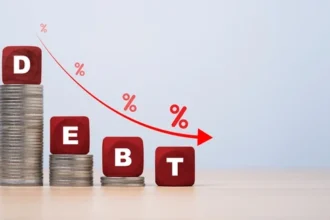
Many people use loans, credit cards, or financing systems to make purchases. While borrowing can be helpful, poor debt management may create serious financial problems.
Common types of personal debt include:
- Credit card debt
- Student loans
- Home loans
- Car loans
Good debt management involves:
- Paying bills on time
- Avoiding excessive borrowing
- Monitoring credit usage
- Reducing high-interest debt
Responsible borrowing helps maintain financial health and creditworthiness.
The Impact of Personal Finance on Mental Health
Financial problems can affect emotional well-being and mental health. Stress related to debt, unpaid bills, or financial insecurity may lead to anxiety and worry.
Good financial management can improve mental well-being by:
- Reducing money-related stress
- Improving confidence
- Creating financial stability
- Supporting better life planning
Financial security often contributes to a healthier and more balanced lifestyle.
Personal Finance and Lifestyle Choices
Personal finance influences many lifestyle decisions, including:
| Lifestyle Area | Financial Influence |
|---|---|
| Housing | Determines living conditions |
| Transportation | Affects vehicle choices |
| Entertainment | Impacts spending habits |
| Education | Influences career opportunities |
| Healthcare | Supports medical access |
Financial planning helps individuals make choices that match their income and goals.
The Importance of Financial Education
Financial education teaches people how to manage money wisely. Understanding personal finance helps individuals avoid common financial mistakes and build better financial habits.
Financial education may include learning about:
- Budgeting
- Saving strategies
- Credit management
- Investing basics
- Financial planning
People with financial knowledge are often better prepared to make informed decisions.
Investing for Future Growth
Investing is another important part of personal finance. Investments help people grow their money over time and prepare for future financial needs.
Common investment options include:
- Stocks
- Bonds
- Mutual funds
- Real estate
- Retirement accounts
Investing can help individuals build wealth and achieve long-term financial goals.
Retirement Planning
Retirement planning is essential for long-term financial security. People who save and invest early are usually better prepared for retirement years.
Retirement planning helps individuals:
- Maintain financial independence
- Cover healthcare expenses
- Support comfortable living conditions
- Reduce financial stress later in life
Starting retirement savings early often provides greater financial benefits over time.
Technology and Personal Finance
Modern technology has made personal finance management easier and more convenient. Digital banking and financial apps help people track spending, pay bills, and monitor savings.
Popular financial technologies include:
| Technology Tool | Purpose |
|---|---|
| Mobile Banking Apps | Manage accounts easily |
| Budgeting Apps | Track spending habits |
| Digital Payment Systems | Simplify transactions |
| Investment Platforms | Support online investing |
Technology helps individuals make faster and more organized financial decisions.
Financial Planning for Families
Families often need careful financial planning to manage household expenses and future responsibilities.
Family financial planning may involve:
- Managing monthly budgets
- Saving for children’s education
- Buying insurance coverage
- Planning vacations
- Preparing for emergencies
Strong financial planning helps families maintain stability and security.
Challenges in Personal Finance
Many people face financial challenges in daily life.
Rising Living Costs
Inflation and higher prices can increase financial pressure.
Poor Spending Habits
Uncontrolled spending may lead to debt problems.
Lack of Financial Education
Some individuals may not fully understand money management.
Unexpected Emergencies
Medical bills or job loss can affect financial stability.
Excessive Debt
High debt levels can create long-term financial stress.
Understanding these challenges can help individuals improve financial habits.
Tips for Better Personal Finance Management
People can improve personal finance by following practical strategies.
Create a Budget
Track income and expenses regularly.
Save Consistently
Set aside money for emergencies and future goals.
Avoid Unnecessary Debt
Borrow responsibly and manage payments carefully.
Learn About Financial Planning
Improve financial knowledge through education and research.
Set Financial Goals
Clear goals help people stay motivated and organized.
These habits support long-term financial success.
The Future of Personal Finance
The future of personal finance is expected to become more technology-driven. Artificial intelligence, digital banking, and financial automation are changing how people manage money.
Future trends may include:
- Increased use of mobile banking
- AI-powered financial advice
- Digital currencies
- Automated savings systems
- Improved financial education platforms
Technology will likely continue simplifying financial management for individuals and families.
Benefits of Good Personal Finance
Good personal finance management provides several important advantages.
| Benefit | Explanation |
|---|---|
| Financial Stability | Helps manage expenses effectively |
| Reduced Stress | Improves emotional well-being |
| Better Savings | Supports future goals |
| Improved Decision-Making | Encourages responsible spending |
| Greater Financial Security | Protects against emergencies |
These benefits improve both financial and personal well-being.
Conclusion
Personal finance has a major impact on daily life because it affects spending habits, savings, debt management, and future financial security. Good financial management helps individuals handle daily expenses, reduce stress, and achieve long-term goals such as homeownership, education, and retirement planning. Budgeting, saving, investing, and responsible borrowing are all important parts of maintaining financial stability.
Although financial challenges such as debt and rising living costs can create difficulties, strong financial habits and proper education can help individuals improve their financial situations. As technology continues to advance, personal finance management is becoming easier and more accessible, helping people make smarter financial decisions for a more secure future.