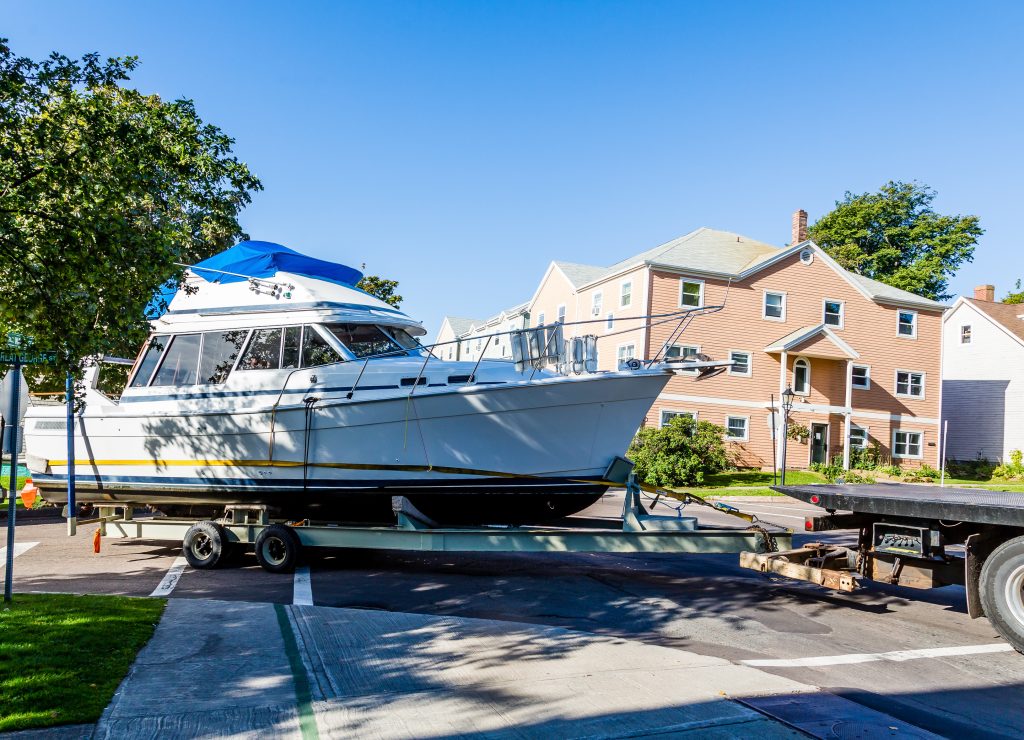
Seasonal Considerations in Boat Shipping
Boat shipping is not a one-size-fits-all process. The time of year plays a significant role in determining costs, availability, safety, and overall efficiency. Whether you are relocating your vessel domestically or planning international shipping, understanding seasonal factors can help you make smarter decisions and avoid unnecessary delays or expenses.
In this guide, we’ll explore how each season affects boat transport, the challenges and advantages of shipping during different times of the year, and tips to ensure a smooth experience regardless of when you ship.
Why Seasonality Matters in Boat Shipping
Seasonal changes directly impact demand, weather conditions, pricing, and logistics. Boat owners often overlook how timing can influence the entire shipping process, from booking availability to transit safety.
Professional companies offering a reliable boat transport service understand these fluctuations and adjust their operations accordingly. By aligning your shipping plans with the right season, you can reduce costs, minimize risks, and ensure timely delivery.
Spring: Peak Season Begins
Spring marks the beginning of the busiest period for boat shipping in the United States. As temperatures rise, boat owners prepare for the boating season, leading to increased demand for transport services.
Advantages of Shipping in Spring
- High availability of transport routes
- Ideal weather conditions for safe transit
- Increased competition among carriers (better service options)
Challenges
- Higher demand leads to increased pricing
- Booking slots fill up quickly
- Possible delays due to congestion
Spring is an excellent time to ship your boat if you plan ahead. Early booking is essential to secure competitive rates and avoid last-minute price surges.
Summer: High Demand and Premium Pricing
Summer is the peak boating season, and as a result, it is also one of the most expensive times to ship a boat. Many people want their vessels delivered to vacation destinations, lakes, or coastal areas.
Advantages of Shipping in Summer
- Fast scheduling due to frequent routes
- Ideal for urgent or last-minute shipping needs
- High availability of transport companies
Challenges
- Premium pricing due to high demand
- Traffic congestion can delay deliveries
- Limited flexibility in scheduling
If you must ship during summer, it’s best to book well in advance and remain flexible with pickup and delivery dates.
Fall: The Smart Time to Ship
Fall is often considered the best time for boat shipping. As the boating season winds down, demand decreases, making it easier to find affordable rates and flexible schedules.
Advantages of Shipping in Fall
- Lower prices due to reduced demand
- Greater availability of carriers
- Mild weather conditions in many regions
Challenges
- Shorter daylight hours can affect transport schedules
- Early storms in certain regions
Fall is ideal for boat owners who are not in a rush and want to save money while ensuring safe transport.
Winter: Budget-Friendly but Risky
Winter is typically the slowest season for boat shipping. While this can mean lower costs, it also comes with increased risks due to weather conditions.
Advantages of Shipping in Winter
- Lowest pricing of the year
- Faster booking availability
- Less competition for transport services
Challenges
- Snow, ice, and storms can delay shipments
- Increased risk of damage due to harsh weather
- Limited routes in certain regions
Shipping during winter requires careful planning and choosing an experienced transport company that can handle adverse conditions.
Weather Conditions and Their Impact
Weather is one of the most critical seasonal factors in boat shipping. Each season presents unique challenges:
- Spring: Rain and unpredictable weather
- Summer: Heat and storms in coastal areas
- Fall: Wind and early storms
- Winter: Snow, ice, and freezing temperatures
Transport companies monitor weather forecasts closely to adjust routes and schedules. However, unexpected conditions can still cause delays, making flexibility essential.
Cost Variations Throughout the Year
Seasonality significantly affects pricing in boat shipping. Understanding these fluctuations can help you plan your budget effectively.
Price Trends by Season
- Spring: Moderate to high prices
- Summer: Highest prices
- Fall: Moderate to low prices
- Winter: Lowest prices
Shipping costs can vary by 20% to 50% depending on the season. Booking during off-peak months can lead to substantial savings.
Availability of Boat Transport Companies
Another key seasonal factor is the availability of transport providers.
- During peak seasons, companies are fully booked weeks in advance.
- In off-peak seasons, carriers have more flexibility and may offer discounts.
Choosing a trusted provider early ensures better service and avoids last-minute complications.
Regional Seasonal Differences in the USA
Seasonal effects vary across different regions in the United States.
Northern States
- Harsh winters limit transport options
- Peak demand occurs in late spring and summer
Southern States
- Milder winters allow year-round shipping
- Less dramatic seasonal fluctuations
Coastal Areas
- Hurricane season (June–November) can disrupt shipping
- Summer demand is particularly high
Understanding regional differences can help you choose the best time and route for your boat shipment.
Tips for Seasonal Boat Shipping
To ensure a smooth shipping experience, consider the following tips:
1. Plan Ahead
Booking early is crucial, especially during peak seasons. This helps secure better rates and preferred schedules.
2. Be Flexible
Flexible pickup and delivery dates can help you take advantage of lower prices and better availability.
3. Prepare Your Boat for the Season
- Winter: Protect against freezing temperatures
- Summer: Ensure proper ventilation and protection from heat
- Fall/Spring: Secure against wind and rain
4. Choose the Right Transport Company
Working with an experienced provider ensures that your boat is handled safely regardless of the season.
5. Monitor Weather Conditions
Stay updated on weather forecasts and communicate with your transport company to avoid unexpected delays.
International Boat Shipping and Seasonality
Seasonal factors also affect international boat transport.
- Hurricane season can delay shipments in coastal regions
- Winter storms may impact shipping routes in the Atlantic
- Peak summer demand increases international shipping costs
Planning international shipments during stable weather periods can reduce risks and delays.
Benefits of Understanding Seasonal Trends
Being aware of seasonal considerations offers several benefits:
- Cost savings through off-peak booking
- Reduced risk of delays
- Better planning and scheduling
- Improved overall shipping experience
Boat owners who strategically choose their shipping time can enjoy smoother operations and better value for money.
Common Mistakes to Avoid
Many boat owners make mistakes when ignoring seasonal factors:
- Booking too late during peak season
- Choosing the cheapest option without considering weather risks
- Failing to prepare the boat for seasonal conditions
- Not accounting for regional weather patterns
Avoiding these mistakes can save time, money, and potential damage to your vessel.
Conclusion
Seasonal considerations play a crucial role in boat shipping, influencing everything from cost and availability to safety and efficiency. Each season offers unique advantages and challenges, making it essential for boat owners to plan strategically.
Spring and summer provide convenience and fast service but come with higher costs, while fall and winter offer affordability with some added risks. By understanding these seasonal dynamics and working with a reliable transport provider, you can ensure a smooth and stress-free shipping experience.
Whether you’re transporting a small boat domestically or shipping a yacht internationally, timing your shipment correctly can make all the difference. Careful planning, flexibility, and choosing the right professionals will help you navigate seasonal challenges and achieve the best possible results.